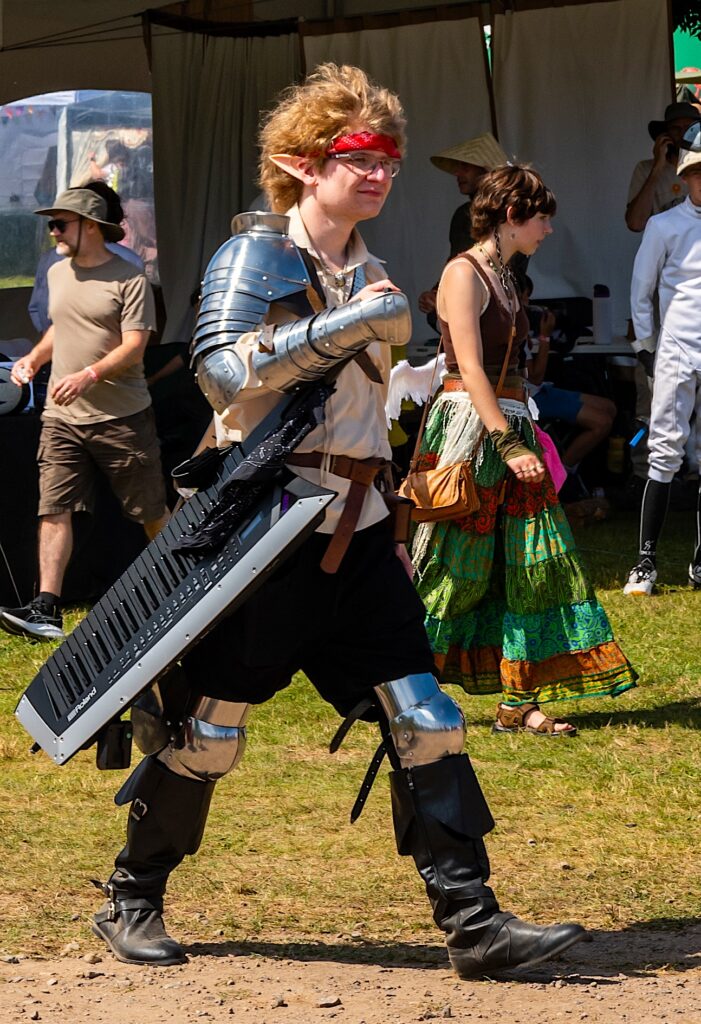
Here beginneth the wardrobe

What to wear to a renaissance faire

The cloak gets the compliments. The shoes decide whether you stay for the evening.

❦
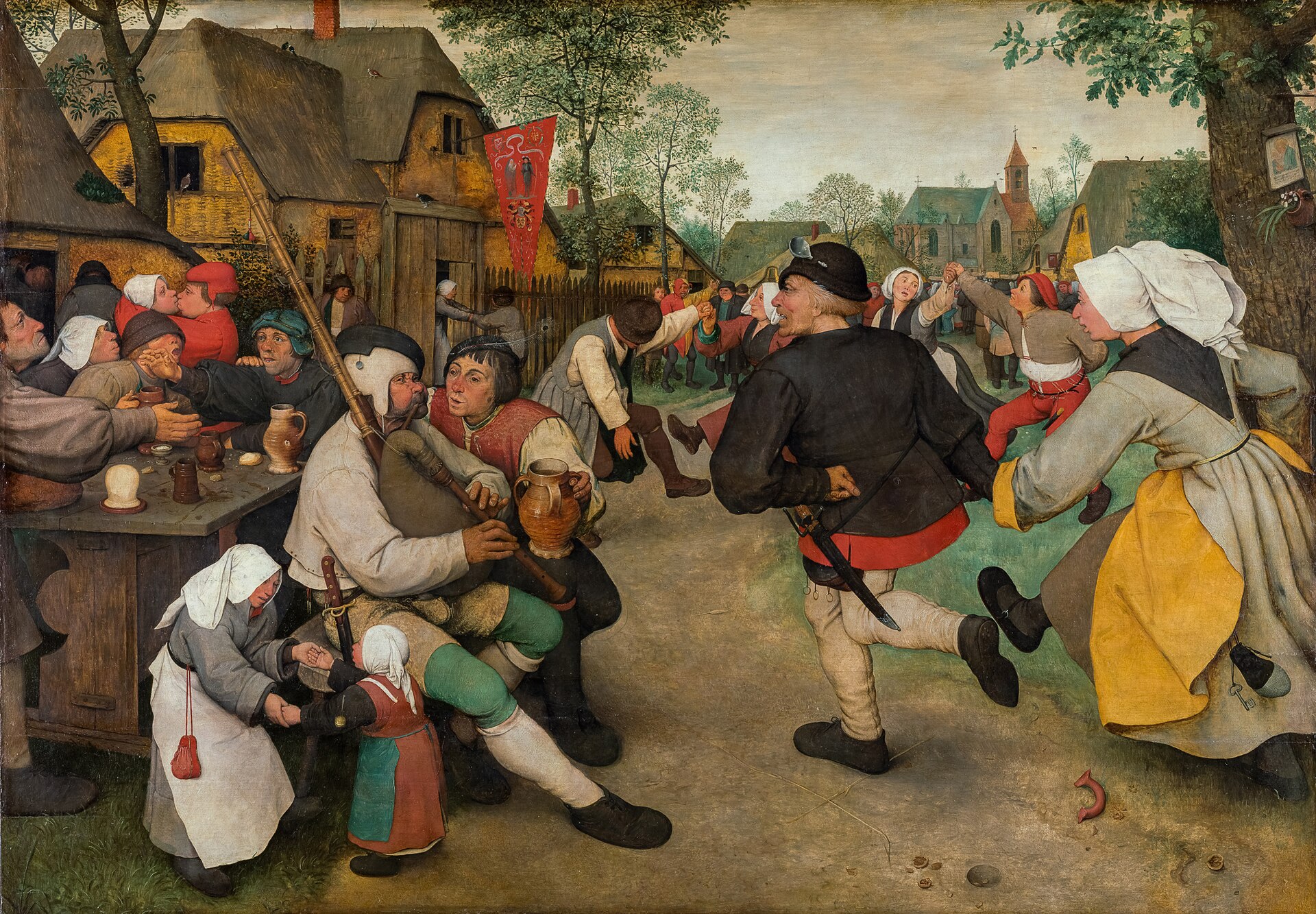
Bruegel's painting of villagers dancing, drinking, and talking in a crowded village square
Pieter Bruegel the Elder, The Peasant Dance, about 1568. Kunsthistorisches Museum, Vienna. Public domain.

If this is your first renaissance faire, begin with clothes you can walk, sit, and eat in. Add a little imagination. You don’t need a finished character, a sewing machine, or a convincing explanation of where your trousers came from.

At the Shediac Renaissance Faire, August 20th to 22nd, 2027, costumes are encouraged and never required. Any century is welcome. Knights, pirates, and travellers from somewhere stranger share the grounds with people in ordinary summer clothes.

Come as yourself if you like. We already have a place for that character.

Nota bene: the Faire has no dress code. It has a dress invitation.

❦
I

One piece is enough to begin

A loose shirt, comfortable trousers, and a belt can become the start of a traveller’s outfit. Add a pouch for your phone and cards. Now the practical bits belong to the costume.

Or start with a long skirt and blouse. A waistcoat, scarf, or ribbon gives you something to build around. If there’s already a hat you rarely find an occasion to wear, this may be its weekend.

Choose one detail you enjoy, then stop when you’re happy. A first faire doesn’t require a whole new wardrobe.

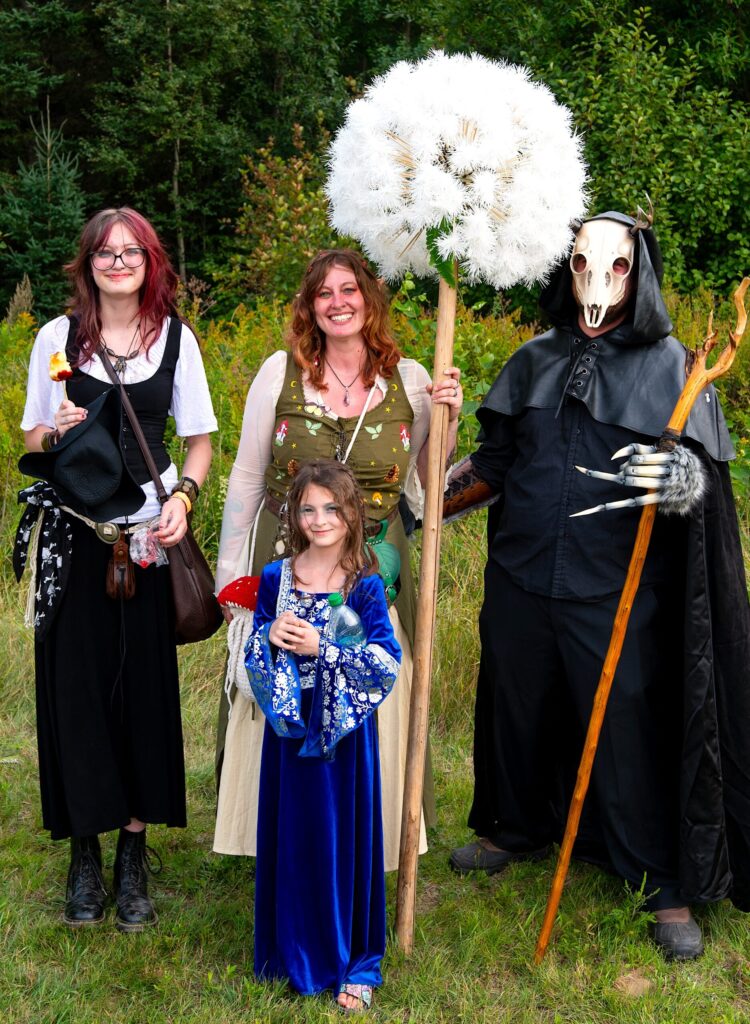
Four guests at the 2026 Faire: a woman in a white chemise and black skirt, a fairy with a giant dandelion staff, a child in a blue gown, and a hooded figure in black with a skull mask
Guests at the 2026 Faire, in one piece and in several.

Pouches came first. Pockets took their time.

❦
II

Three outfits you can assemble from your closet

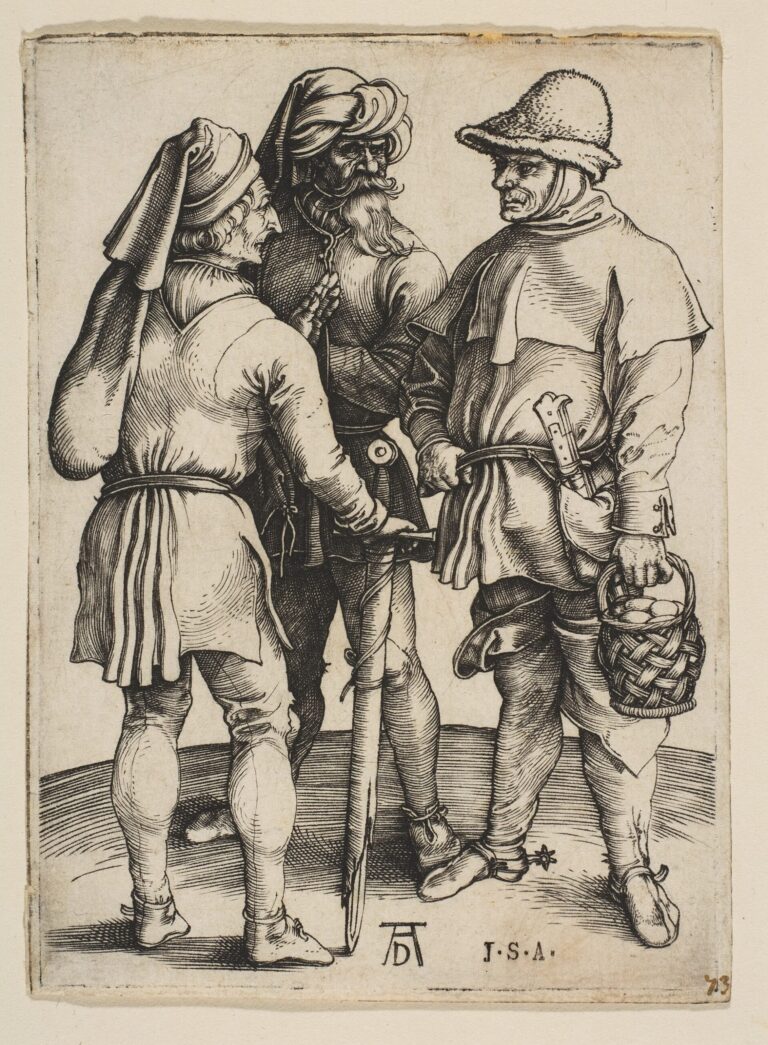
Dürer engraving of three countrymen talking, one with a sword at his hip and one holding a basket
Albrecht Dürer, Three Peasants in Conversation, about 1497. The Metropolitan Museum of Art, Open Access (CC0).

The traveller

A loose shirt, trousers or a skirt, a belt, and a shoulder bag. Add a soft cap or a wide-brimmed hat. Earth colours such as moss, rust, and oatmeal make it easy to combine things you already own.

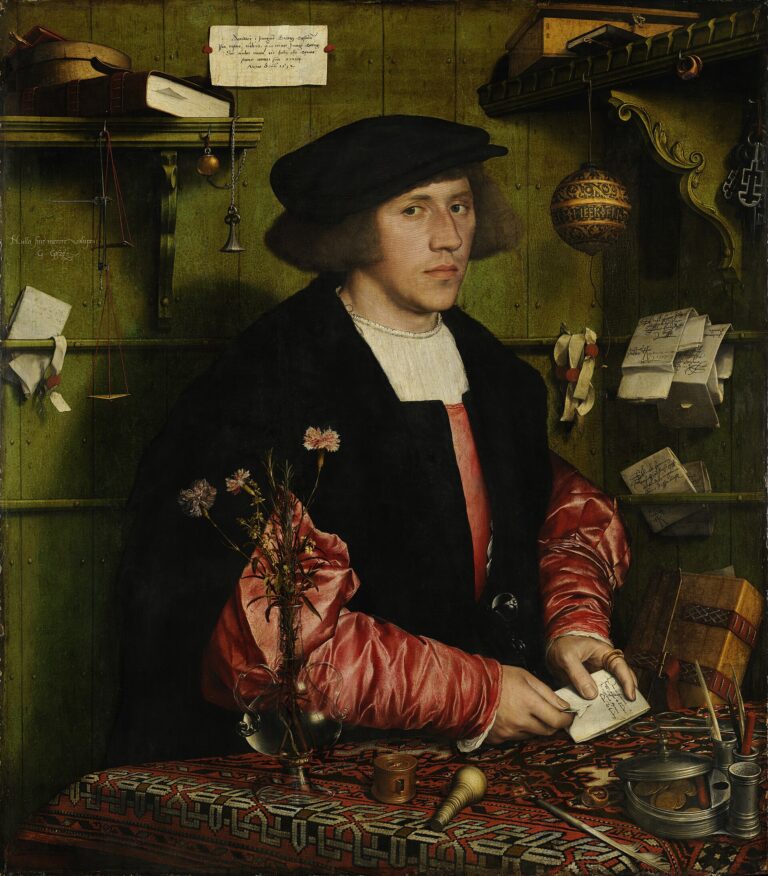
Holbein's portrait of a merchant in a black cap and rose silk sleeves at a desk crowded with letters, scales, and seals
Hans Holbein the Younger, The Merchant Georg Gisze, 1532. Gemäldegalerie, Berlin. Public domain.

The merchant

A blouse or shirt beneath a waistcoat, with a long skirt or plain trousers. A scarf and a small notebook suggest someone with business to conduct. Whether the business is honest is a question for your character.

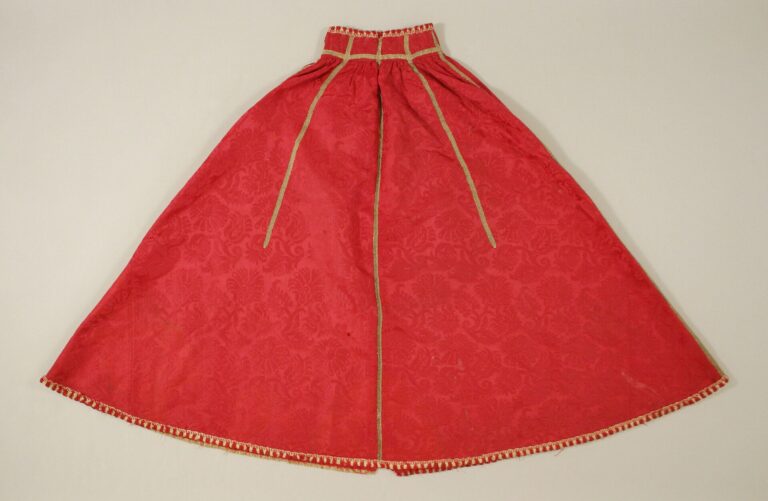
A short red Italian cape with a gold border, laid flat
Cape, Italian, 1575 to 1625. The Metropolitan Museum of Art, Open Access (CC0).

The person with an unnecessarily good cape

Keep the clothes beneath it simple. Let the cape do the work, and make sure it comes off easily when the afternoon gets warm. An evening layer earns its place twice.

These are starting points, not uniforms. Mix them, borrow something, or arrive in the costume you’ve spent all winter making. There’ll be people who appreciate the stitching.

❦
III

The pieces, by name

Every piece of a costume has a name, and every name has a page in our glossary. Here are a few originals, as the museums keep them. Tap a name to read its story.

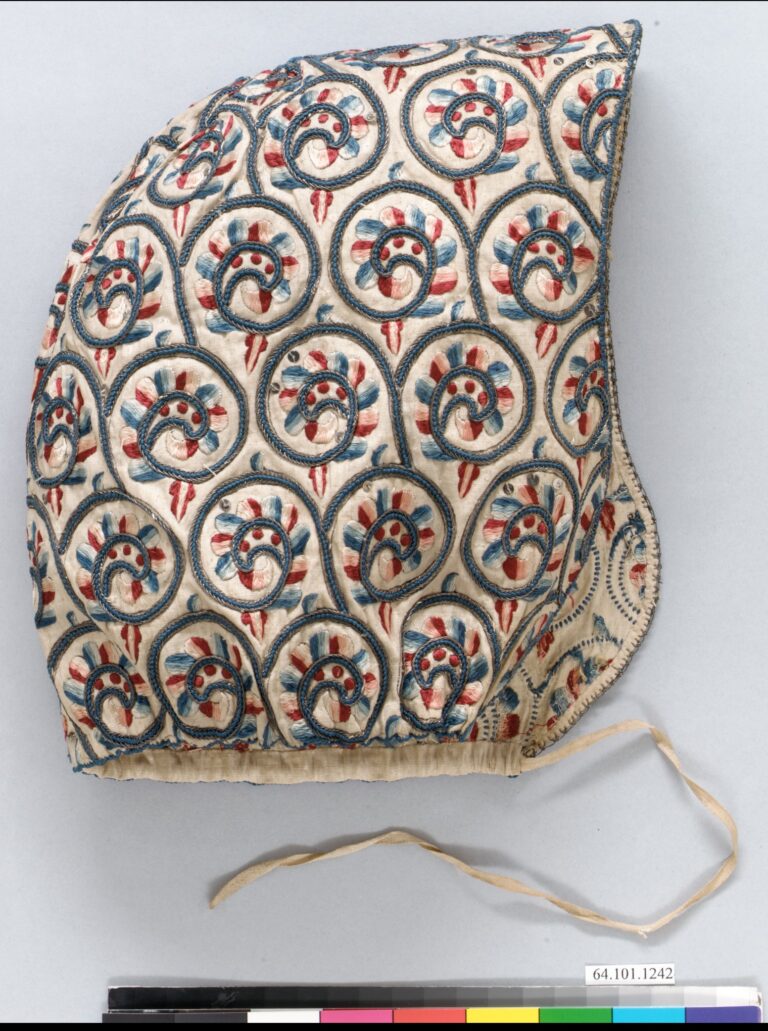
A linen cap for the hair, embroidered in England between 1600 and 1630.

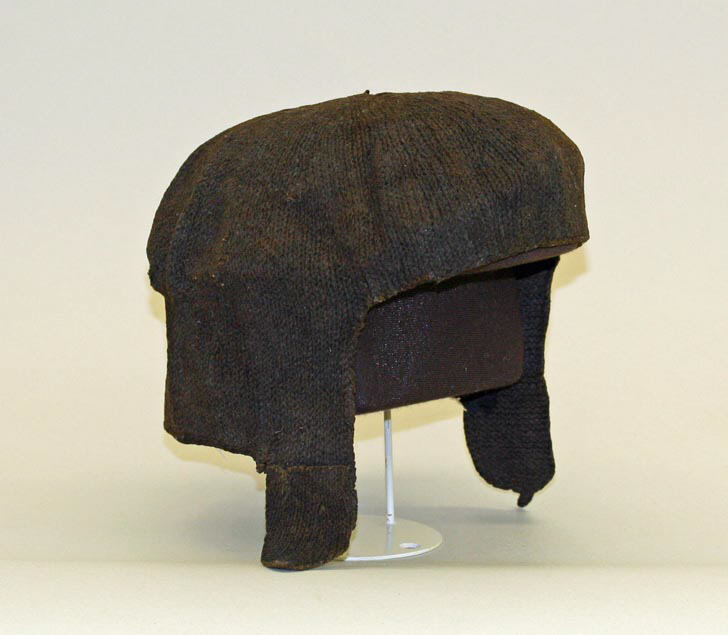
Knitted wool, England, 1500s. A 1571 law made most people wear one on Sundays.

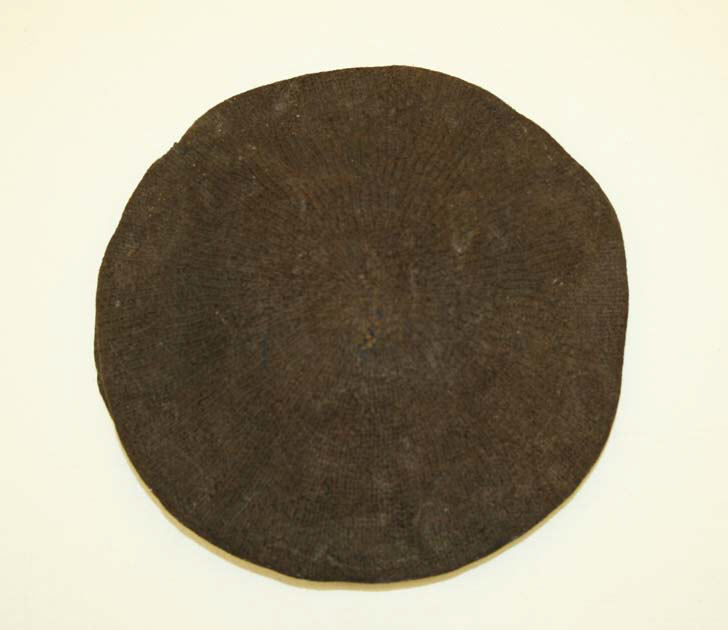
Hat

A round wool hat from 16th-century England. Every good hat begins as a plain one.

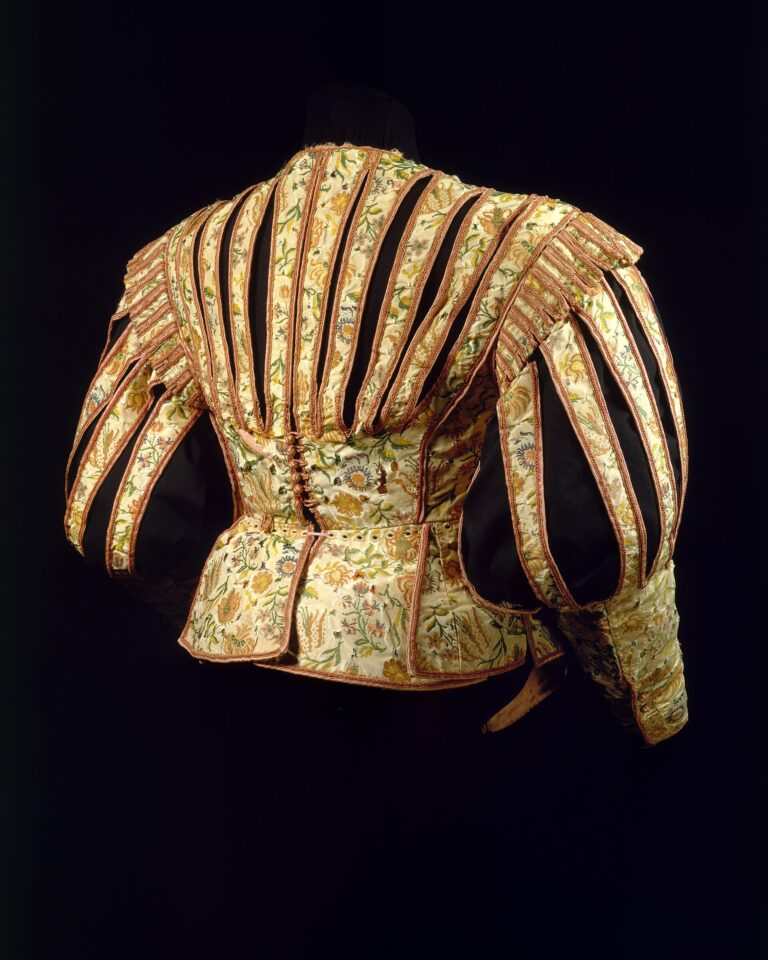
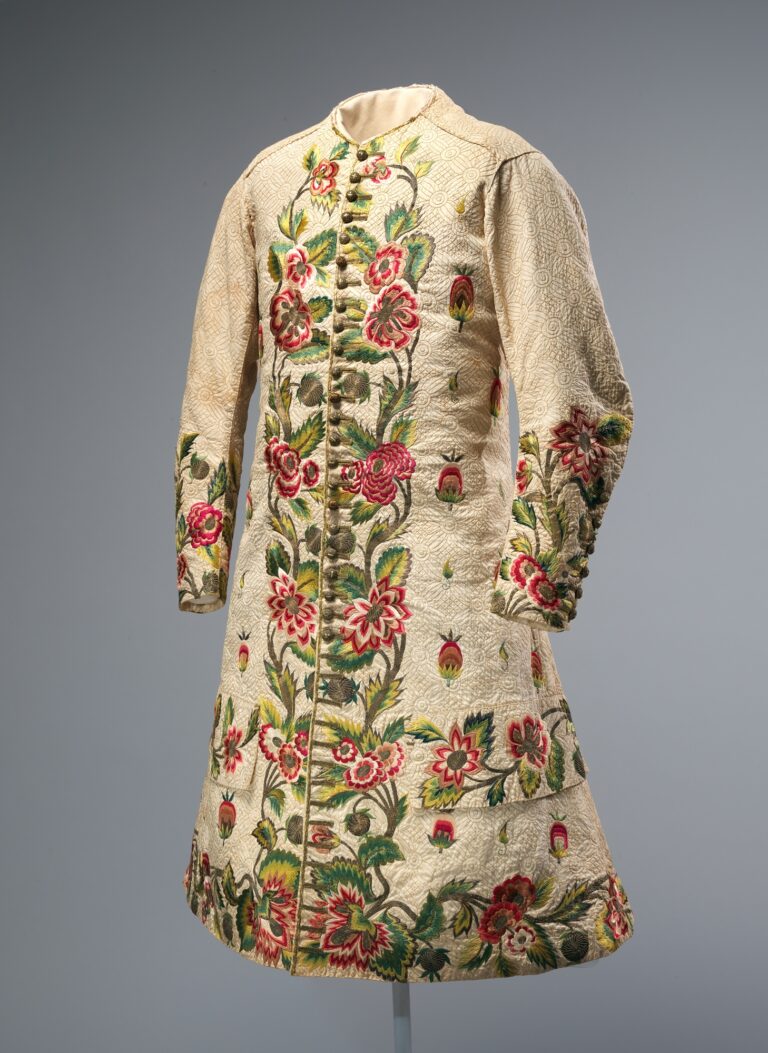
Gold silk, France, early 1620s. Note the buttons, then count them.

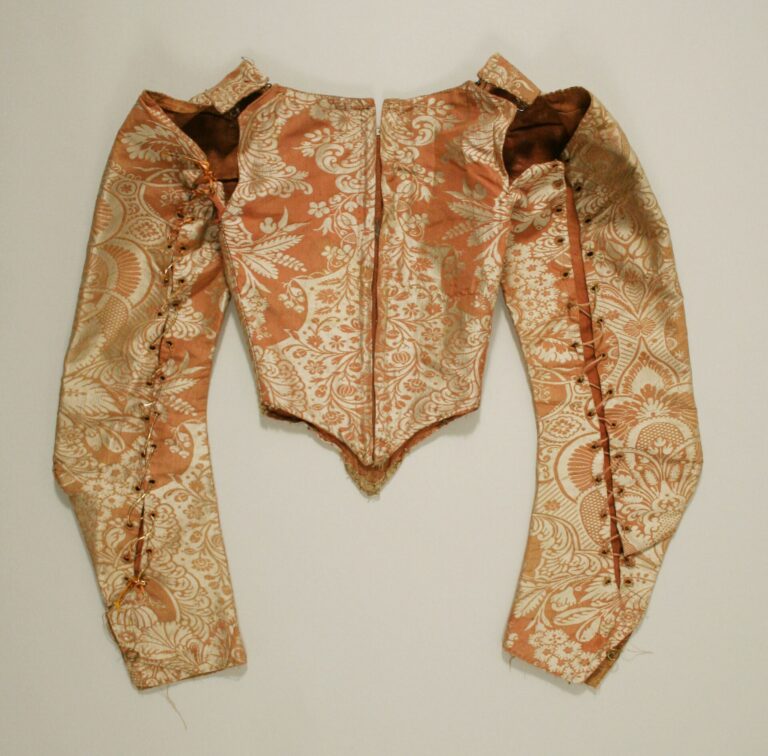
Rose and gold silk, France, 1600s. The fitted top of a gown, laced, hooked, or pinned closed.

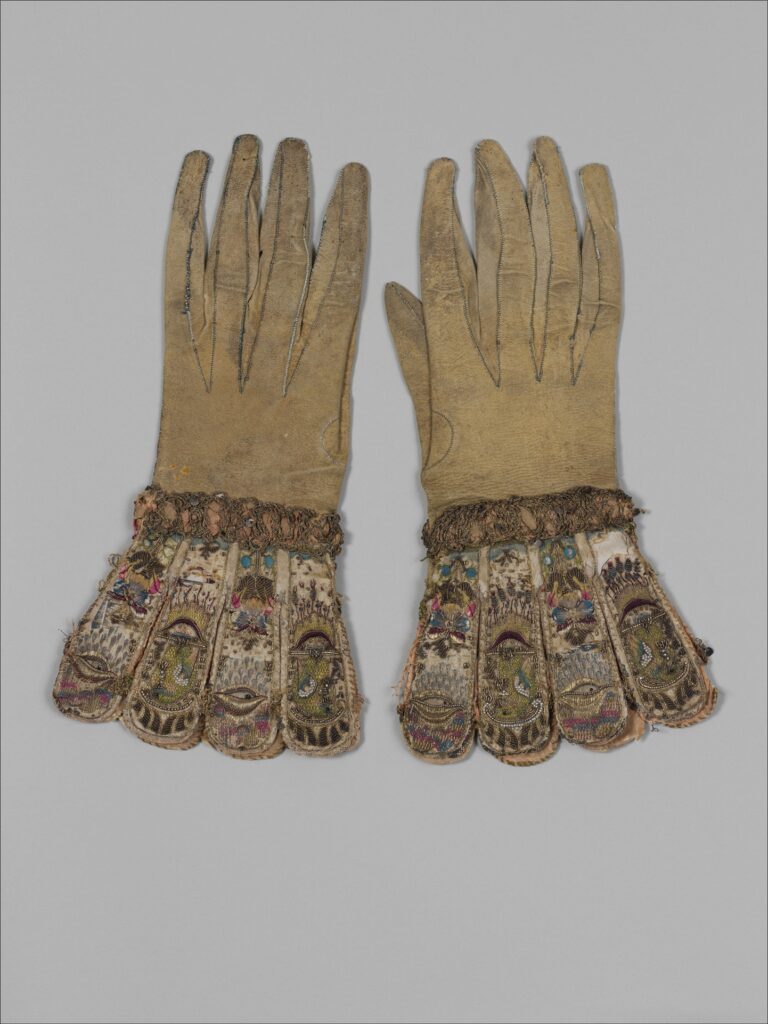
Gloves with embroidered cuffs, England, about 1600. Made for gesturing, not gardening.

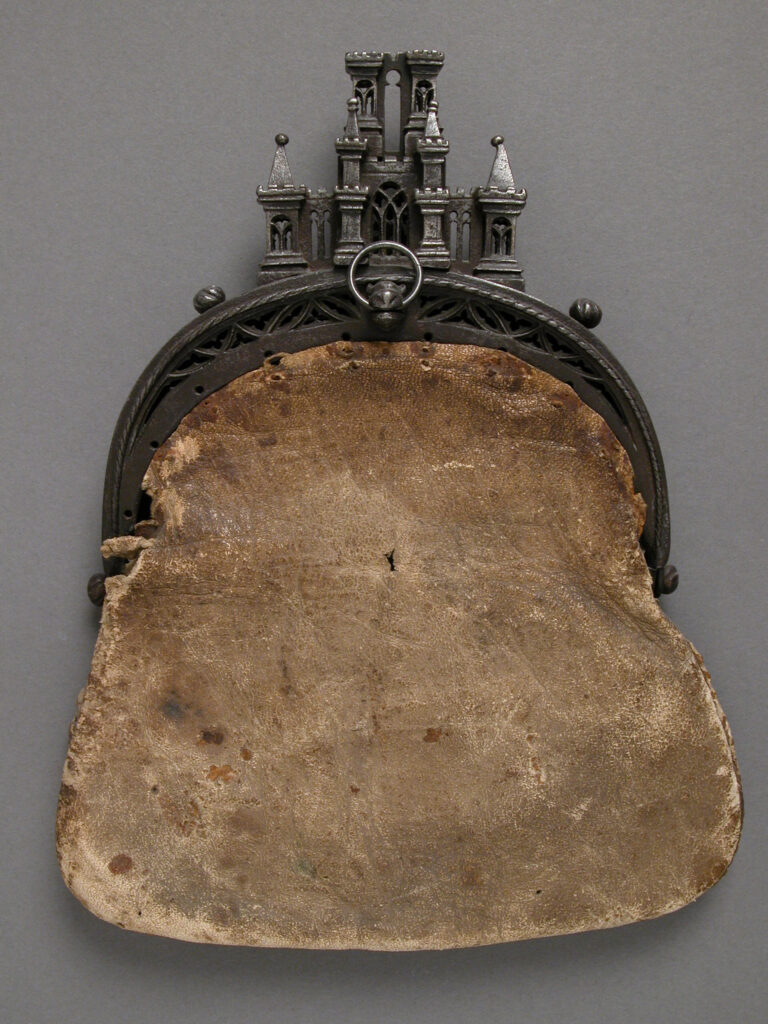
An iron purse frame from the 1400s or 1500s. Your phone will prefer something softer.

Britain, early 1700s. A century late for 1606, and welcome anyway.

❦
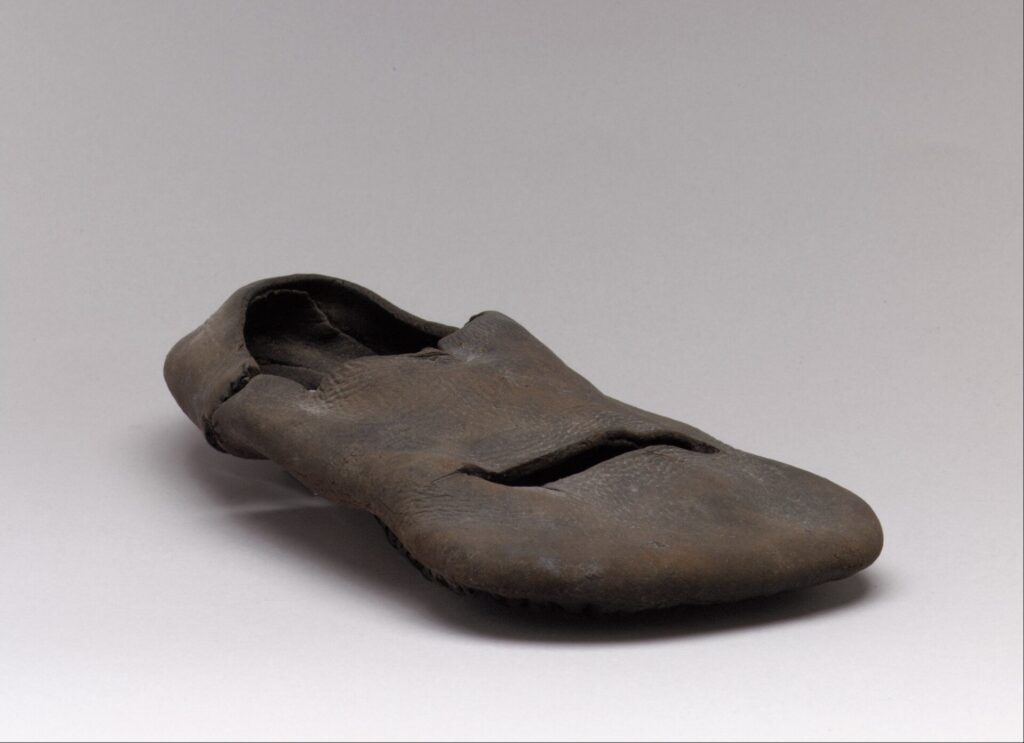
A flat, broad-toed leather shoe
Shoes, British, 16th century. The Metropolitan Museum of Art, Open Access (CC0).

Mud, being period, is always in fashion.

IV

Dress for the field you’re actually standing in

The Saturday and Sunday Faire takes place on the Neptune Drive-In grounds. The surface is grass, with uneven patches and small hills, and it can soften after rain.

Wear boots, flats, or walking shoes you’ve already broken in. Comfortable trainers are a better companion than beautiful shoes you can only tolerate for twenty minutes. Keep long hems clear of your feet, and test the whole outfit on a walk before packing it.

For August, choose light, loose layers and a hat. Bring sunscreen, an empty reusable water bottle for the refill station, and something warmer for later. Saturday continues until midnight. The same field can ask quite different things of your wardrobe by then.

❦
V

Give Friday its own outfit

Every Faire ticket includes the Gathering of the Realms at Parlee Beach on Friday, August 20th, from 5pm to midnight.

Think sand, a cooler evening by the water, and clothes you can sit in. You can save the most elaborate outfit for Saturday. Friday is a good time to meet people, begin the weekend, and collect your bracelet for Saturday’s express lane.

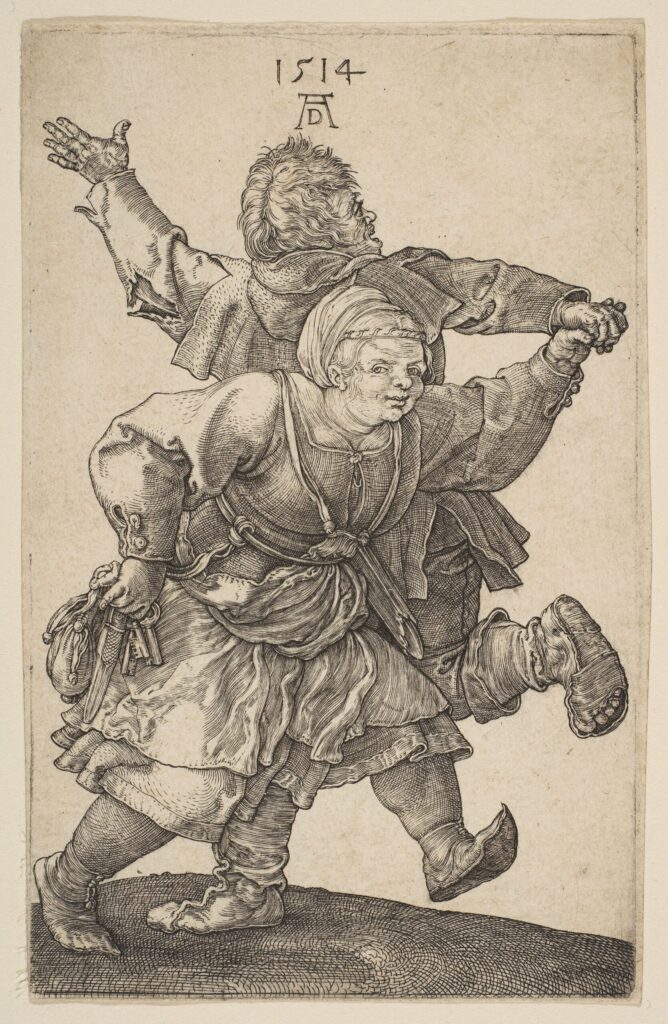
Dürer engraving of a man and a woman dancing with great energy, her skirts and his sword swinging
Albrecht Dürer, Peasant Couple Dancing, 1514. The Metropolitan Museum of Art, Open Access (CC0).
❦
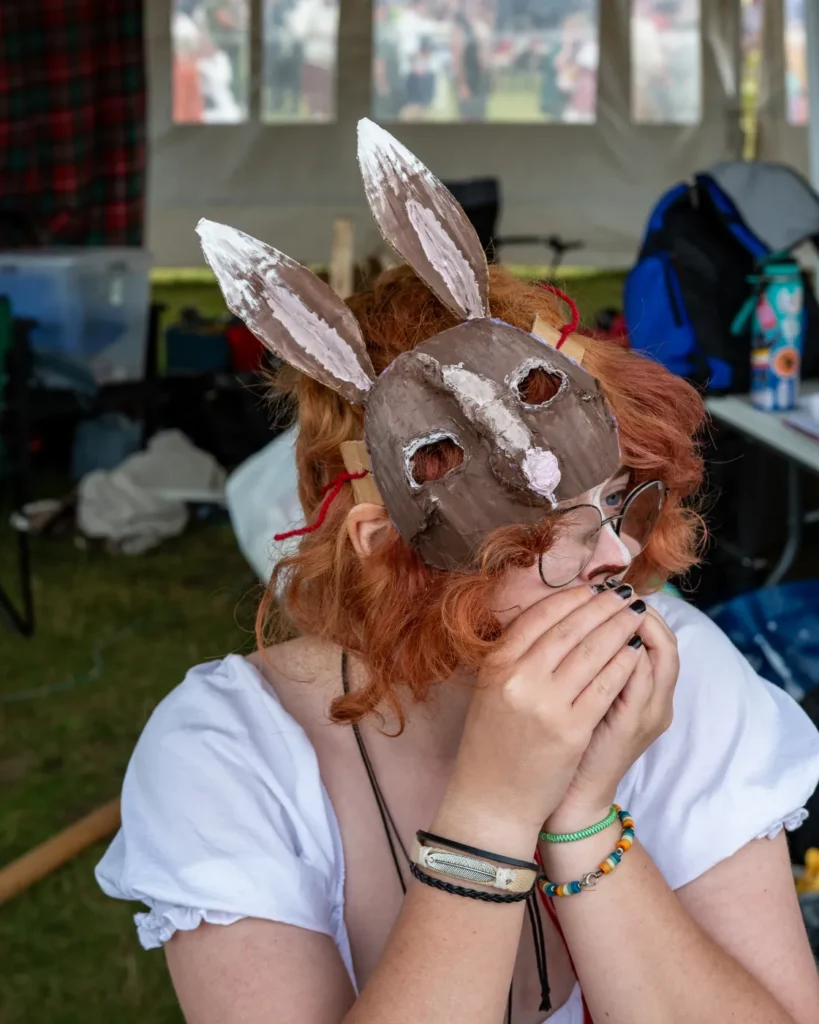
A red-haired guest in a hand-made rabbit mask
A handmade hare mask at the 2026 Faire.
VI

Bringing a prop or a mask?

Foam, wood, and plastic prop weapons are welcome after inspection and peace-tying at the entrance. Steel blades, working or replica firearms, and anything that shoots stay home. Full-face masks must come off when the guild, security, or emergency services ask.

Keep the current costume and prop rules beside your plans before buying or building something elaborate. A photograph and a question to [email protected] can help you discuss a particular prop in advance; admission still depends on the entrance check.

And when someone else’s costume catches your eye, ask before touching it or taking a close photograph. Admiration is welcome. Permission comes first.

❦
VII

Let the costume take a turn

The costume parade runs at 6pm on Saturday and Sunday. There are five categories: Best Historical, Best Fantasy, Best Group or Household, Best Handmade, and Youth, with a prize in each. Enter online in advance or on the day; check the Faire FAQ for the published arrangements.

You can come to watch, of course. But if that half-finished cloak has been waiting for a reason, it now has two chances.

A guest in silver armour carrying a huge sword at the 2026 Faire
Armour, entirely optional, at the 2026 Faire.

The judges study the stitching. The crowd studies the swagger.

❦
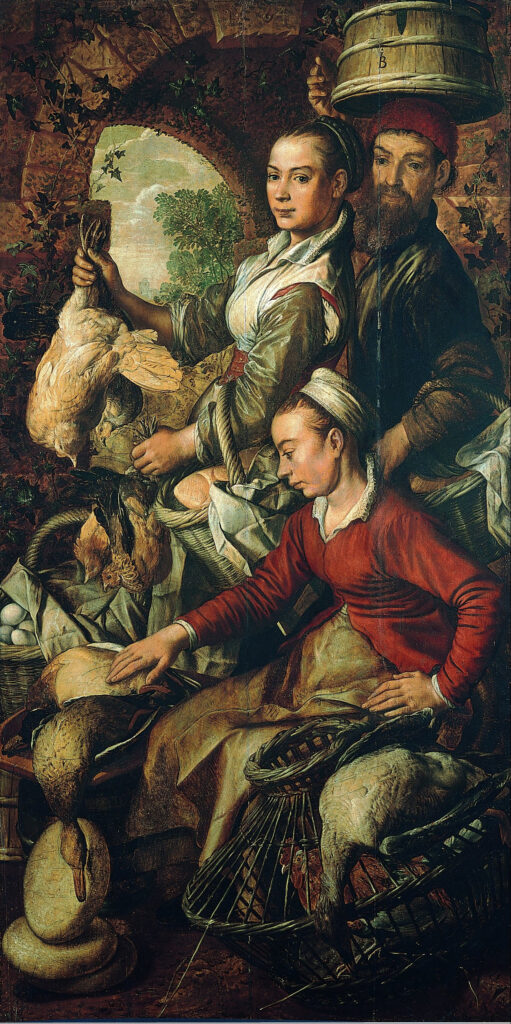
Beuckelaer painting of a market seller in red behind heaped fruit, vegetables, and fowl, with buyers behind her
Joachim Beuckelaer, Market Scene, about 1565. Musei di Strada Nuova, Genoa. Public domain.
VIII

Leave a little room for a find

You can arrive with a simple outfit and let the Merchant Village supply inspiration. Look at the leatherwork, jewellery, hats, and other handmade pieces. Something chosen here may become the beginning of next year’s costume.

For this year, try everything on together once. Sit down. Reach into the bag. Take a few steps. If you can enjoy a whole day in it, you’re ready.

❦

Pictures. Paintings, prints, and garments from The Metropolitan Museum of Art (Open Access, CC0), the Kunsthistorisches Museum in Vienna, the Gemäldegalerie in Berlin, and the Musei di Strada Nuova in Genoa, all public domain, by way of Wikimedia Commons. Faire photographs from 2026: Alexander Horwood and the Moncton Marauders.

The other Shediac Wonderland festivals: the Shediac Mascarade and Afterland, a post-apocalyptic festival in Shediac.

Share this pageSomething wrong on this page?